Let's learn about Digital Nomads via these 63 free blog posts. They are ordered by HackerNoon reader engagement data. Visit the Learn Repo or LearnRepo.com to find the most read blog posts about any technology.
Or, ya know.. Instagram "influencers."
Explore the world of startup immigration programs and discover how to choose the best country for your business venture.
Italy, Turkey, and South Africa have launched their digital nomad visa programs.
Discover the highs and hidden challenges of the digital nomad lifestyle in this two-part personal essay. Part 1 dives into the journey of freedom and its costs.
Thailand's new DTV visa requires savings of $13,500 and a $270 fee. It allows 180-day stays, making Thailand an attractive destination for expats.
A firsthand look at why crypto off-ramps are painful — and how the EMCD Payment Card turns spending USDT into a simple, instant, real-world experience.
https://www.pexels.com/
Discover how Social Discovery Group’s structured, data-driven onboarding process helps new hires seamlessly integrate into their teams and roles.
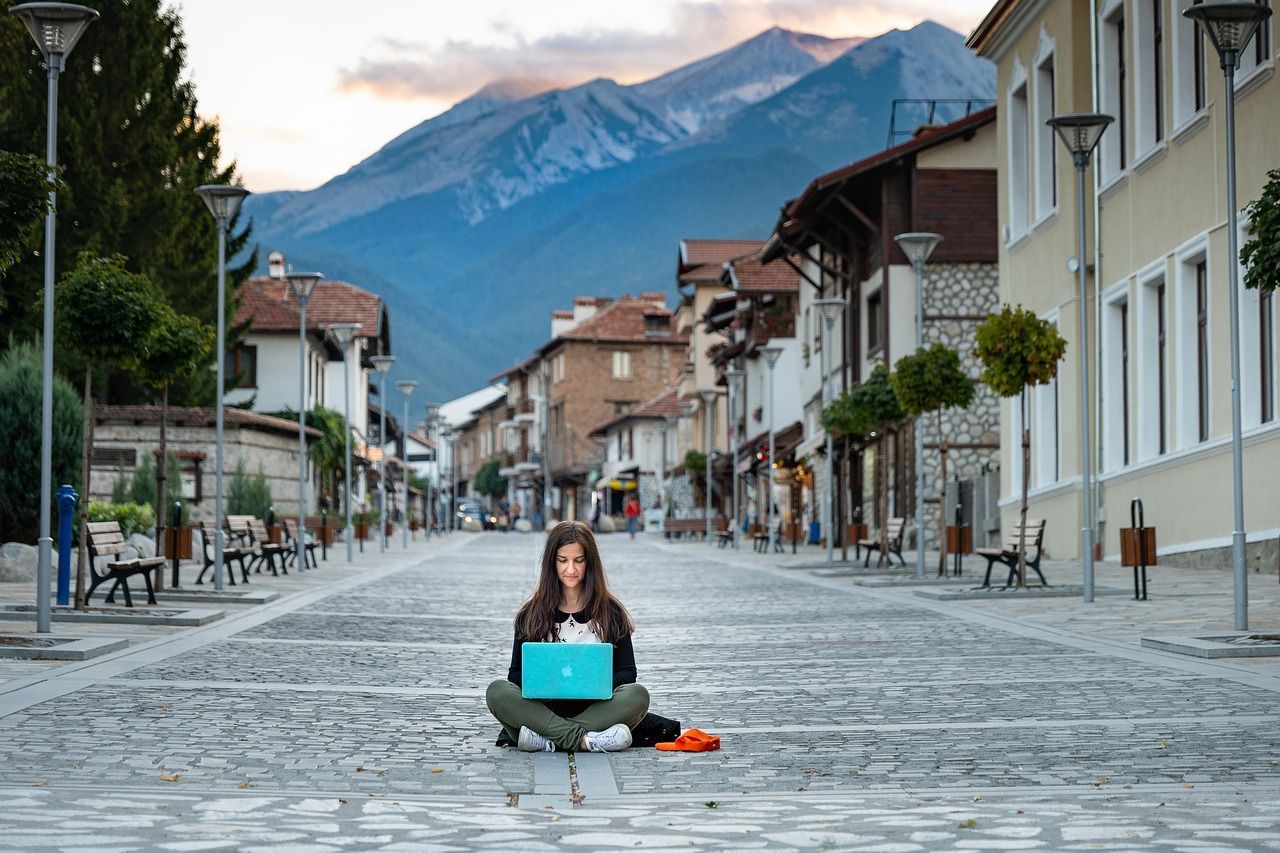
Remote Work in Paradise? 4 Years, 3 Islands, 1 Honest Guide. Discover the real trade-offs of Malta, Madeira & Canary Islands for digital nomads.
Being a digital nomad can be tough. Yet, paradoxically, it also offers profound opportunities for spiritual growth.
Remote work is global or it’s not remote work at all!
Explore how startups like Deel, SafetyWing and BubbleSwitch build the infrastructure for the thriving digital nomad nation.
Real estate tokenization system allows users to rent objects from a decentralized autonomous organization or DAO instead of buying it.
Remote Work in the Post-Covid World. The Personal Story of a Web Developer.
My self-discovery journey began as a digital nomad once I lost the sight (of others), and the ability to listen.
Will 2025 be the year that the Zuzalu buys land and real estate, or will such a move become an achilles heel?
11/12/2024: Top 5 stories on the HackerNoon homepage!
How to become a digital nomad with no experience. Here is how I stopped working 9 to 5 and became a digital nomad.
Remote work and the associated social distancing is one of the ways to halt the outbreak of coronavirus - an enormous challenge facing the entire world in 2020. While more and more companies urge their employees to shift to working from home, and people eagerly accept the change to avoid public spaces, there are a wealth of concerns regarding what it will all be like:
Phuket 2025: Where crypto meets paradise! Web3 pros enjoy tax-free trading and a crypto payment pilot amid palm trees. Ideal for digital nomads seeking a tropical tech escape.
Let’s explore why digital nomads are drawn to Colombia, what the digital nomad visa offers and which locations offer the most reliable internet connections.
Learn more about Zuzalu's Archipelago and what happened in Chiang Mai, Thailand in October. Also review what will happen in the future of Zuzalu.
This article is the second in a three part series. If you want to read the first one you can do here.
If you speak or are learning a second language, focus on learning and using expressions and phrases as opposed to grammar rules.
This article is the last in a three-part series. Read the previous one here (and the first one here).
This +700-page, $16 book is a summarization of the +200 interviews that Tim Ferriss has done on his podcast.
Stateless founders are redefining entrepreneurship. Insights from f27.club Lisbon reveal how AI, decentralized tools, and trust build thriving global startups.
Financial reports are lengthy, confusing, and boring. I promise that I will keep it simple, brief, and straight to the point. I will let Upwork’s numbers do all the talking.
Automation and artificial intelligence (AI) are changing the nature of jobs and many believe that robots will completely put humans out of work in the coming years.
Vita Baryshnikova is a Head of HR at Skyeng where 90% of employees and contractors work remotely. Vita shares her experience of creating effective processes for remote teams. These simple tips can help you prevent burnout and add transparency to your work.
Working remotely is no longer just a dream. If you can afford a decent laptop and access to the internet, combine it with solid work skills and that gives you a pretty good chance to find a remote job. Professionals in many industries including entrepreneurs, marketers, writers and of course software engineers have already chosen this route.

These days most companies have asked their employees to stay at home and change their office work for a remote one. In such conditions, the issues of organizing video calls have become especially relevant. It seems that online conferences for dozens and even hundreds of people are a step towards a digital future without borders when people can work from anywhere in the world and get together for negotiations literally by click. But in reality, video calls are often not as good as you might imagine. Someone cannot install the necessary program, someone is nervous because of the relatives in the background, and someone appears at an important conference call in his pajamas and using the nickname “DimonKiller666”. We have put together some simple rules for making video calls that will help make them comfortable for yourself and your colleagues.

Francis Lacoste is a Senior Director, Software Engineering at Salesforce Heroku. During Live Ask Me Anything session with Hacker Noon community he shared his experience working remote for over 20 years and main lessons he learned from it.
In Francis’s own words:
Due to the COVID-19 outbreak, millions of people have suddenly had to relocate their office to their own homes. In normal times, around 8 million Americans work from home, but in just a few days, that number has multiplied, and then multiplied again.
are you a freelancer or a remote employee or contractor working on a remote basis? if you’re any of this then this guide is for you.
Even prior to the COVID-19 pandemic, remote employees and Work from Home arrangements were becoming increasingly common. An Owl Labs 2019 State of Remote Work Report found that 54% of U.S. workers work remotely at least once per month, 48% work remotely at least once per week, and 30% work remotely full-time. Global Workplace Analytics is forecasting a 25-30% increase in working remotely with adoption increasing proportionately with the amount of time we spend in shelter at home and work from home conditions due to COVID-19.
Let's look at some emerging new options that can help you create passive income for retirement.
In this slogging thread, our community discusses Zeitler's initiative, Coworking Bansko, and nomadic working.
Learn everything you need to know about Remote via these 100 free HackerNoon stories.
As a person that used to track finances and company expenses in their previous life, I know that toilet paper is a huge expense. Everybody does it. Everybody needs it.
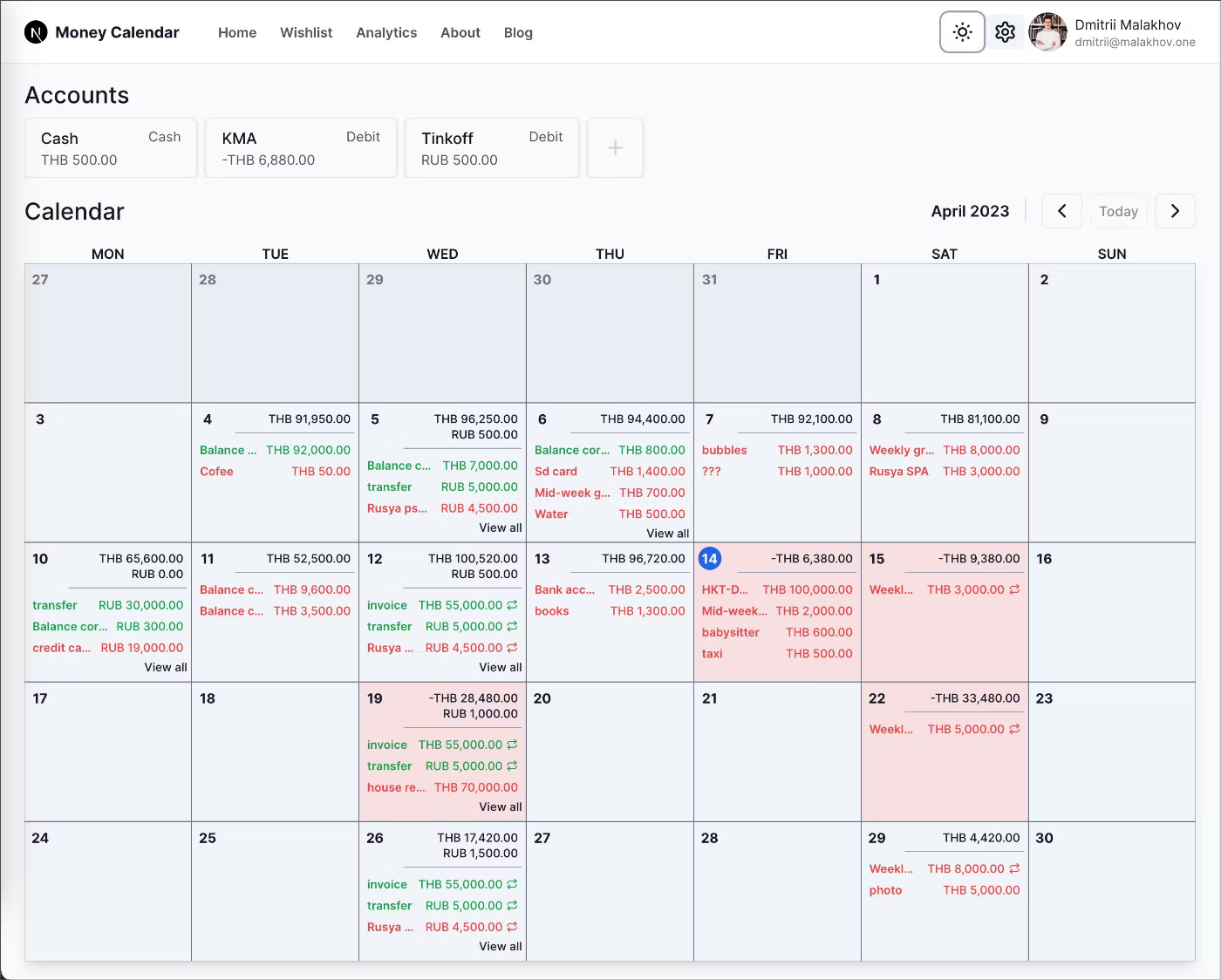
Join Dmitrii, a digital nomad, as he navigates the complexities of budget planning across currencies and continents. Discover his unique financial tool that pro
The worldwide lockdown following the coronavirus pandemic was truly a time for remote work to shine if there ever was one. With most of the globe’s workforce being stranded in their homes and away from the office, the only solution for most was to move their labor to the remote setting.
In the wake of the pandemic, the appeal of freelancers is growing as remote work becomes one of the most significant impacts of the new normal workplace.
Companies transitioning to the work-from-home model became the recurring theme of the last month. I've spent more than half of the previous decade working in remote teams and have seen quite a few transitioning from the office to full-remote processes. Actively advocating remote work to everyone I know, I feel having to put a few cents into the tip jar.
We Evolved for Free-Range Living
I am the co-founder of Flexiple and Remote Tools. In this post, I describe why we are building an exclusive remote-focused community - The Remote Clan.
It has been four months since Coronavirus originated in China's Wuhan and the outbreak continues to be on the headlines. On one hand, many employers are getting ready for the possible disruptions that Coronavirus would bring to their business in the long run, such as transportation issues, labor shortages, reduced working hours and low consumer traffic.
Remote working isn’t becoming popular. It already is. The number of people who work remotely in the US has increased by 140% since 2005, with 34% of US workers saying they would take a pay cut of up to 5% in order to work from home.
The rise of flexible job roles, digital tech careers and more freelance opportunities around the world has led more people into working from the comfort of their home, especially during this Covid19 pandemic. However, in order to get the best and ensure quality service deliveries, remote workers need the right tools to assist their craft.
Due to various technological developments, it is now easier than ever to earn money online. Known as the gig economy, there is a massive free-market system for independent workers looking to earn an extra buck. Monetizing one's expertise can remain a challenge, however.
It’s been more than two decades since the term ‘digital nomad’ came to be. In the time since, people have shown they have a lot of imagination when it comes to their remote work-enabled lifestyles. Some stay in one place and lead an otherwise normal life while others use the flexibility of remote work to travel continuously, or at least regularly. As a result, the world of remote work has become a diverse ecosystem where people have varying degrees of commitment and availability, as well as a broad array of purposes for working remotely.
A month ago saying that running a company through the crisis caused by this pandemic has been hard would be an understatement. I’m sure this has been unchartered territory for most of us. I mean, most workplaces don’t even have work from home policies that they had to design from scratch.
2FA is the initial, mandatory stage of ongoing privacy intrusions that are unwarranted and Orwellian. Alternatives now exist.
“The best executive is the one who has sense enough to pick good men to do what he wants done, and self-restraint to keep from meddling with them while they do it.” – Theodore Roosevelt
There is no doubt that the world's workforce is becoming more remote, particularly in tech as developers can now work from any location in the world. But there are a large number of new obstacles that come with this. The most pressing is security.
Things have changed very rapidly for a lot of people. Just a few months ago nobody would’ve imagined they would have to stay at home for a prolonged period of time, and even though warned, preparation for a global scale epidemic was pretty poor. Right now, when the spread of Covid-19 is at its peak, a lot of people have to get used to self-isolation, which means they can’t go to work to offices anymore but have to work remotely.
2021 Noonies Nominee General Interview with Rad Sidwell-Lewis. Read for more on Investments, Finance, Tech, Entrepreneurship, Travel and Startups.
9/21/2025: Top 5 stories on the HackerNoon homepage!
11/2/2024: Top 5 stories on the HackerNoon homepage!
...the digital nomad experience is a pathway to both temporary freedom (escapism) and to sustained liberation (evolution)...the nomad is a foundation, a moving point mechanism... -Mariette Papic, Digital Nomad Manifesto
It has been almost a decade since I left home in Poland and moved to Vienna, Austria. My journey had many up and downs so I decided to write down those lessons.
Like many others, my workplace has been conducting business remotely most of the year.
Offsites are a big part of remote teams. They allow everyone to socialize, connect more deeply with coworkers, and help build shared experiences and empathy. Even if video calls are a great tool to share information, they can be tiring. It's too easy to miss non-verbal cues. Chance encounters over coffee never happen, and we don’t always experience the same personal connections that come from small-talk. That’s the downside of remote work, and that's why meeting a few times a year is a great way to fill the gap!
11/27/2024: Top 5 stories on the HackerNoon homepage!
Thank you for checking out the 63 most read blog posts about Digital Nomads on HackerNoon.
Visit the /Learn Repo to find the most read blog posts about any technology.