Let's learn about Fix The Internet via these 78 free blog posts. They are ordered by HackerNoon reader engagement data. Visit the Learn Repo or LearnRepo.com to find the most read blog posts about any technology.
The internet functions, but does it work? Too often it works for shareholders and not the individual. We can rebuild it.
When the Internet light on your router is red, there is a problem with our internet connection that needs to be fixed as soon as possible.
Learn about Zero Knowledge claims and how they can help in securing your Identity.
Unfortunately for all of us nostalgic folk, the internet is now what is used to be.
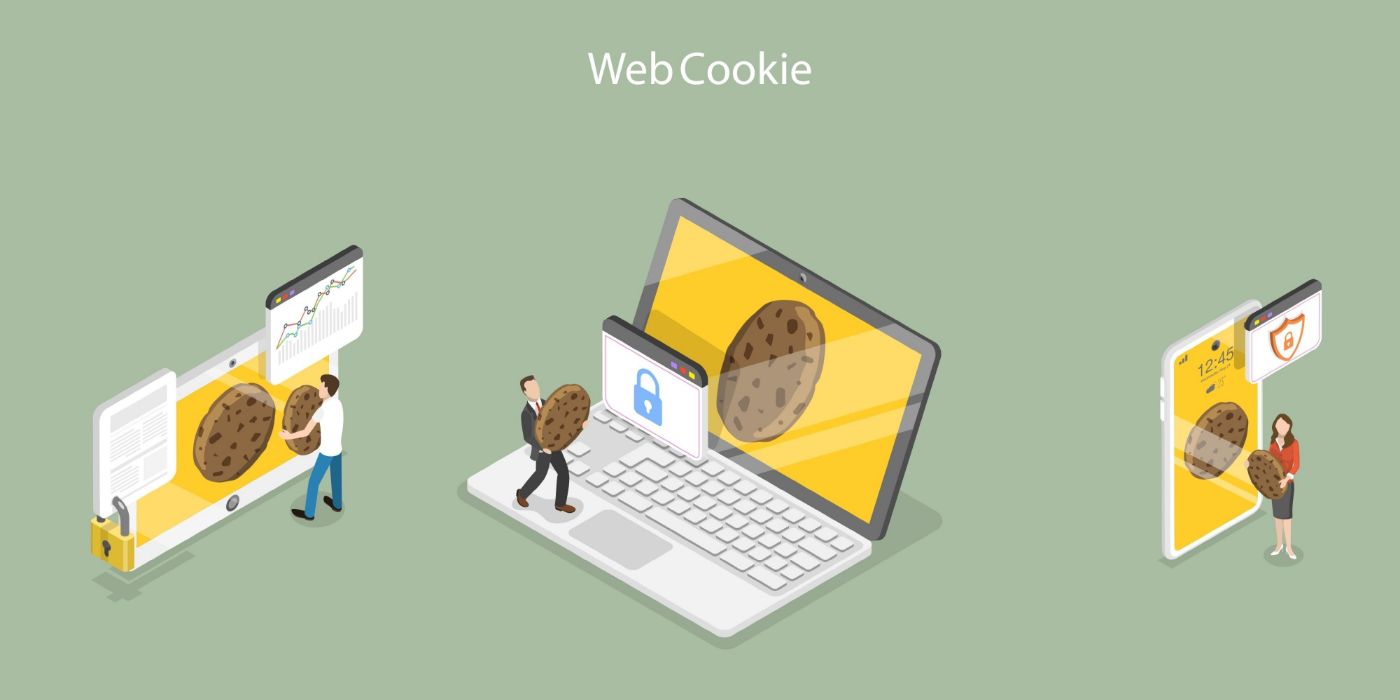
The process of "removing" cookies has been going on for a number of years, but now it is directly affecting everyone.
A Marriage And A Funeral
What do Google, Facebook, Youtube, Amazon, Uber and a phone book have in common? They are indexes — searchable lists of stuff. Google is a list of keywords mapped to the websites they appear in. Facebook is a list of profiles, posts, private messages, events and other types of information. Youtube has users, videos and comments. Amazon: merchants and items. Uber: drivers, customers and ride requests.
As in all elections of great importance, tallying the official results of Hacker Noon's annual awards took us somewhat longer than expected.
I will tell you how I suffered from expensive cable internet in the office and decided to make my own internet that is 5 times cheaper. As a result, my team and I have created summator.me. It's a device that combines the traffic from several 4G/LTE modems and provides a fast and reliable internet connection.
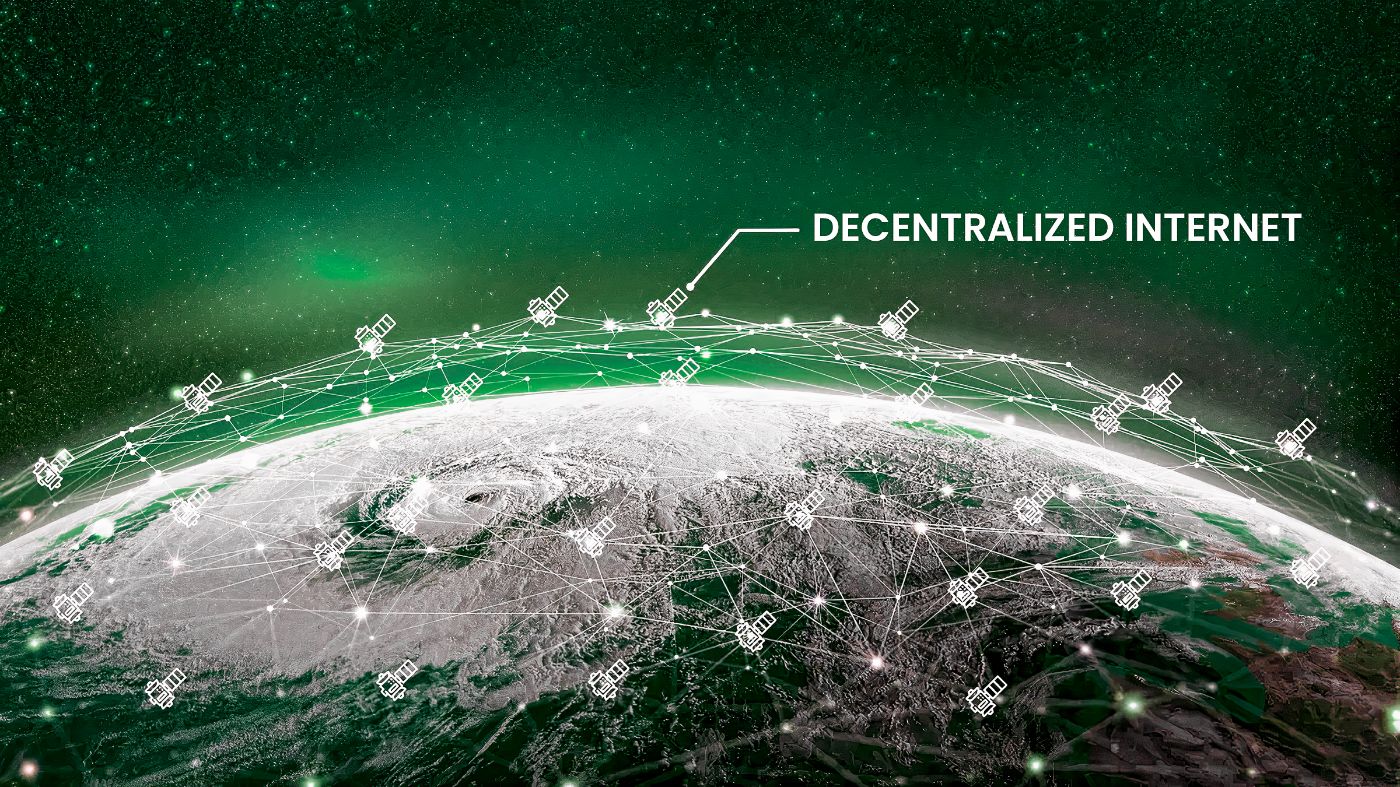
In this article, we look at the past, present, and future of internet decentralization efforts. We'll explore how projects such as FireChat and Starlink.
The internet is now almost entirely centralized.
Nexus is building a new internet driven by a blockchain-based operating system (LX-OS) and communications protocol (Nexus Protocol), that will be connected by distributed satellite constellations and mesh networks.
Momentous technologies often look useless. Especially information-related technologies. Why did we need the printing press, when most people were illiterate? Plus, the priest could already read aloud from a hand-copied Bible. Why did we need the personal computer, when people already had filing cabinets, type-writers, and TVs? Computers were for wealthy corporations.
The traditional comment box at the end of a blog post is not a sufficient way to facilitate reader and writer communication. It falls short in a number of ways:
Building decentralised web 3.0 network on a decentralised network which is censorship resistant and provides users with net neutrality.
The Open Source movement, as championed by the OSI, prizes absolute openness above all other concerns. Openness, they claim, is an absolute good, from which all other virtues flow, not to be questioned or criticized. It doesn’t matter if that openness enables evil in the world, without openness we cannot have truly collaborative software development communities. So the claim goes.
Dr. Amber Cazzell is a visiting Scholar at Stanford, Honorary Associate Lecturer at University of Queensland, CSO at ERA and long time Hacker Noon contributing writer. She kindly shared some of her time to type together. Here is our conversation:
The web development landscape keeps getting crowded and crowded but there are no signs of improvement, only of heavy and bloated web apps.
The rise of peer to peer crowd-lending, tokenization and the slow death of bank
[19. Go-Daddy Gone Wrong: What Happens to Your Domain if
Your Co-Owner Dies?](https://hackernoon.com/thats-a-no-go-daddy-what-happens-to-your-domain-if-your-co-owner-dies-or-flies-off-the-handle)
One day you receive a call from a mutual friend and hear unbelievable stories, when your friend is out of his mind, and harms himself, and others.
Interest in the dWeb is blossoming, but decentralized systems require cooperation in order to work. If Richard Hendricks’ dream of the new internet is to come to fruition, it’s going to mean we’re relying on our friends, neighbors, and even strangers to provide us with information and connection to the outside world. It’s going to take communities of ultra-cooperation to work. But can we rely on networks of people (some or all of whom are self-interested) to deliver? Call me the optimist, but I think humans actually have the necessary "stuff" to make it work well. Here, I lay out some of our evolved moral fabric, and how that moral fabric can be tailored to socially scale the decentralized web.
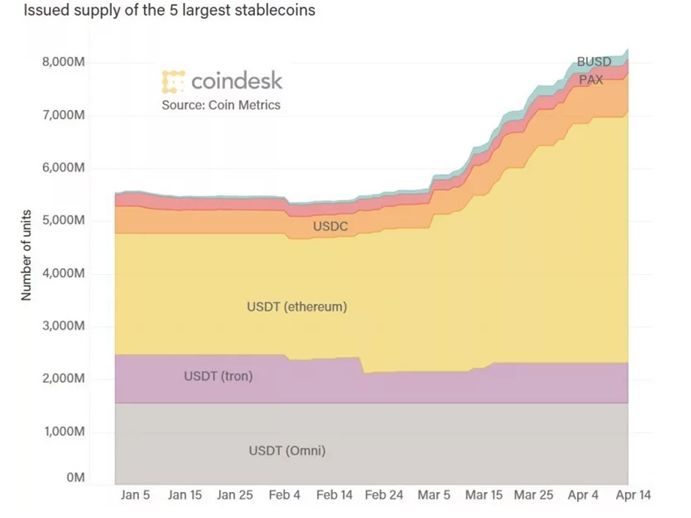
The global crisis is causing an explosive increase in demand for stablecoins. Some even say that it's stablecoins that will drive the mass adoption of crypto, not hypervolatile coins like Bitcoin. It's time to ask the question: which stablecoins will benefit more from the recession – regular ones, such as USDT, or decentralized ones, like DAI and others?
It’s obvious that Calendly is one of the most convenient calendar scheduling tools on the market. It’s a convenient virtual assistant that breezes through technical aspects of scheduling. With time zones, availability preferences, and automated links immediately generated, it’s saved people a lot of time (and sanity).
How the challenge of protecting personal information online led to data protection and privacy laws in the EU and U.S.
Blockchain will transform the internet and the way we use it. From digital freedom to data protection; the reasons are becoming more important every day.
With blockchain, Web3 users get more freedom, privacy and access to the same social services without fear of their data being used without their permission.
What is the major issue with the internet today, and how can Web 3.0 fix it?
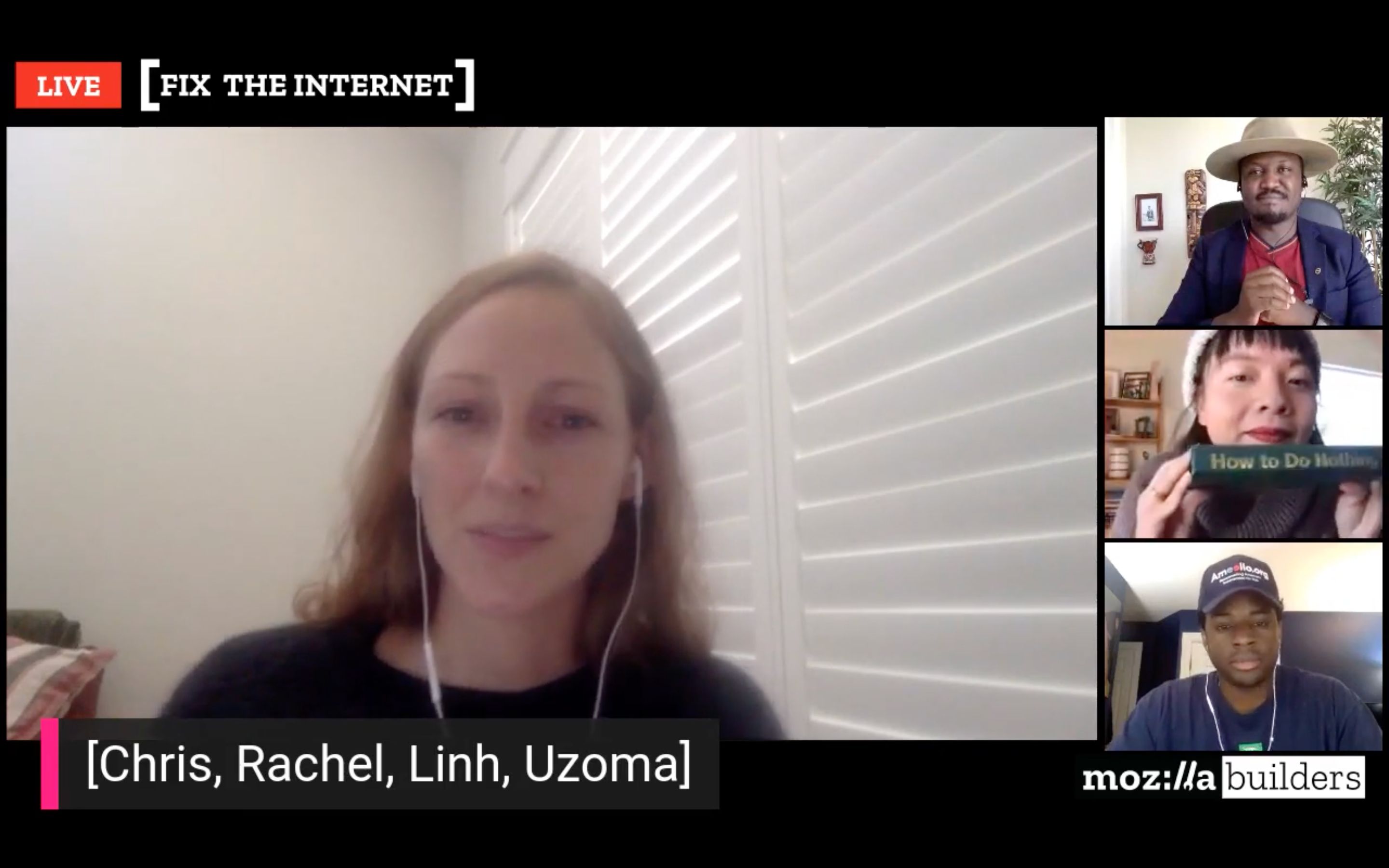
I've seen software developers in dozens of Slack channels, Telegram groups, and Discord servers pass this image around about Mozilla's Fix-The-Internet Incubator.
What does the future of online social networks look like? We have seen how the most powerful social media networks have endangered democracy and public health. While there are interesting conversations today about what decentralized social networks might bring to bear to our online social lives, I want to raise a new approach that is critical to any product team -- particularly those building social features.
Over four and half billion people, or fifty-nine per cent of the global population, use the Internet every day. The Internet is where we communicate, transact, and consume information.
What do I think about creating a world in virtual reality? I think it's amazing! What's the problem with that?
The Social Dilemma has been a trending film and a large topic of discussion these past few months, and for good reason. Social media in its current form is deeply flawed.
Hey somehow someway, are you making a better internet? The Grant for the Web has opened public proposals for individual grants ranging from $5k to $100k. They are looking for creative content, software projects, and a commitment to Web Monetization standards. If interested, here's where to apply for your grant.
This is a response to a recent article: "How do we fix the Internet?"
Rapidly picking up the pace of development in the 2010s, the decentralized (or distributed) web—better known as the DWeb—is oft-regarded as the technology that will finally empower individuals with the privacy, security, and control that is largely missing from the traditional web we’re all accustomed to using.
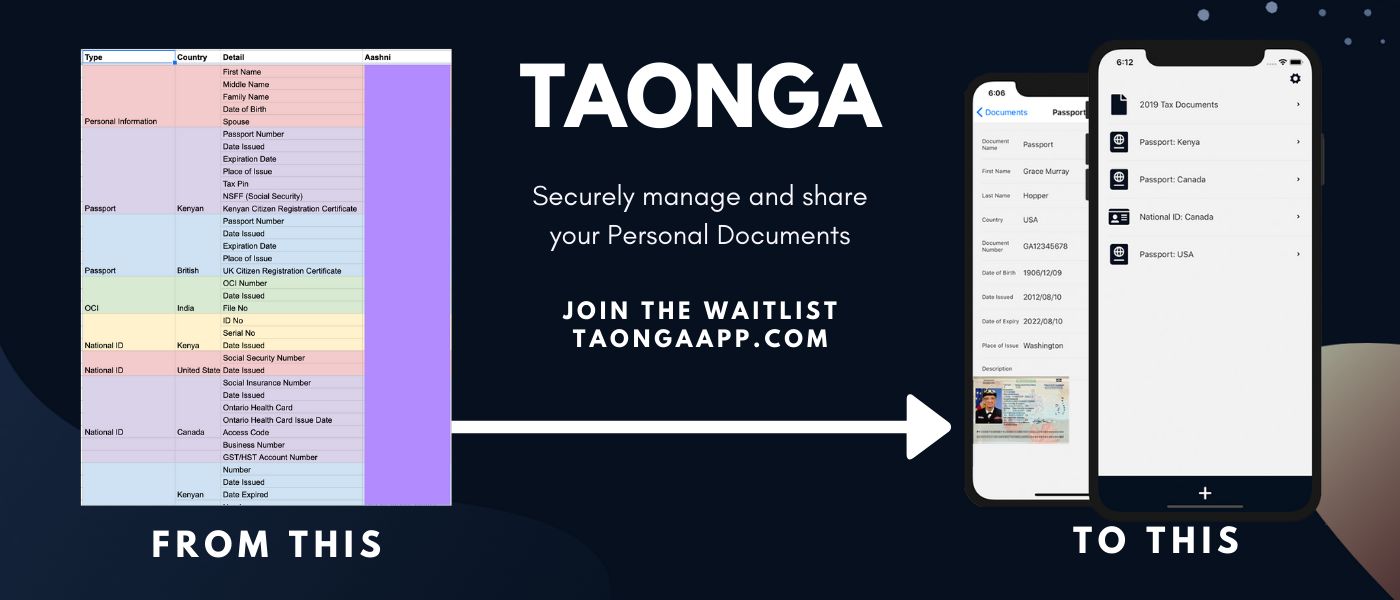
With Taonga, I'm working to build the easiest way to securely manage and share your personal documents, like your passport. It’s built using privacy-by-design and consent-by-design concepts, making sure the user has full control over their personal documents. The idea for Taonga stemmed from an ad-hoc Google Spreadsheet I created 6 years ago, and I’d love to share that story with you here.
The internet functions, but does it work?
The Lightning Deal timer is ticking away. You're frantically scraping through hundreds of discounts. Finally, after a barrage of Prime deals and discounts, you find the one: a deeply discounted, 30% off Amazon Echo.
Privacy...that mythical unicorn many chase but only a few manage to catch. Though elusive, privacy is a pressing issue in a hyper-connected world where a handful of companies control the information you consume and the information you produce.
Nearly two thirds of the global population are city-dwellers. Urbanization, whilst generally associated with increased standards of living, better job opportunities, and access to critical services like healthcare, is intertwined with rapid industrialization, which puts tremendous pressure on environmental resources.
This is a second article in the ‘Decentralized web / dWeb’ series. To get an idea on what the dWeb is please check — this article.
While I sit down to write, like any procrastinating writer of our times, I look for excuses that will keep me from the task at hand. It could be the windows and the weather (perhaps I need a pullover) or the more modern version of it – social media.
People switched from an open, hackable web to apps for a better user experience, but walled gardens now hinder UX. We need a better UX alternative.
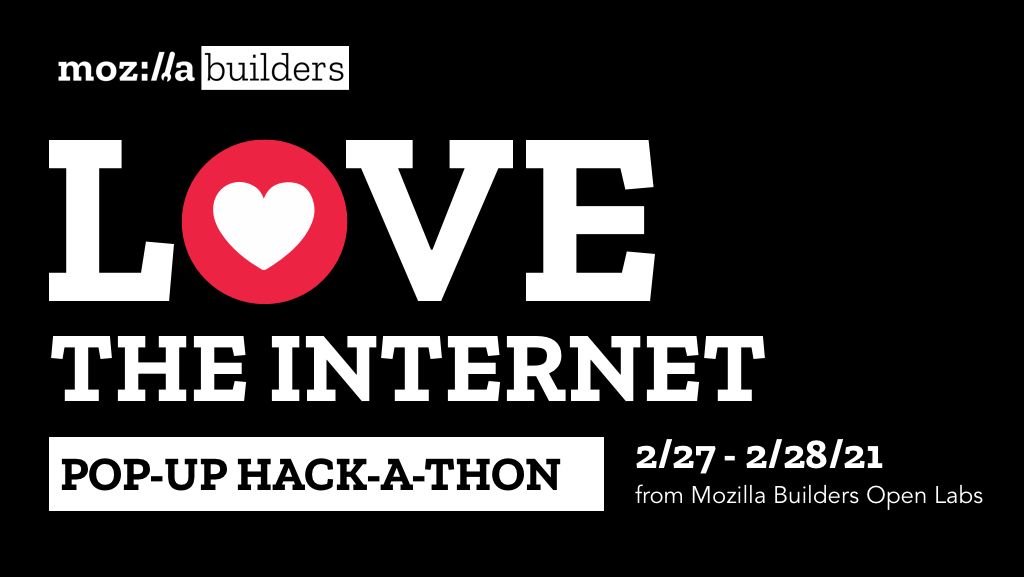
Mozilla Builders is hosting the Love the Internet

Collegiate Hackathon to inspire the next generation of builders. RSVP to join them!
Imagine a car factory where nameless workers in a sprawling complex make expensive cars all day and all night. Thousands of shiny, new expensive cars move off the line every millisecond and are shipped instantly all over the world to wealthy buyers, generating $195 million of profit daily for the car company.
Web3 is the attempt to come full circle in how data is shared by democratizing ownership.
it's time to make data sexy again. Let's revive the dream of a truly neutral Internet, from the people for the people with wide accessibility and no censorship
Bitcoin — the king of cryptocurrencies — uses the Proof of Work POW consensus algorithm to secure its network.
How can we describe the way we experience the platforms we spend our lives on? Let's tinker around using a legendary Internet metaphor.
Social media platforms moderate a global conversation. It's time to re-think what kind of a moderator we want for our well-being and for better progress.
If you're one of Hacker Noon's 12,000+ international Contributing Writers, you'll be happy to hear we're adding yet another distribution channel for The Top Stories You Submit to this big green blob in the cloud. Our mission is simple: be the best place for technologists to publish online. The related causes we back here at Hacker Noon help make the internet a better place — from joining Mozilla's Fix the Internet Incubator, to working with Coil to help writers monetize their content, and donating funds to Better Internet-focused NGOs, like the EFF. In short? We're keen to keep independent internet publishing alive (and thriving). Another way we're working on that: Better Distribution for Every Story.
The internet functions, but does it work?
The world is continuously moving towards intelligence, digitalization, and robotics. But what are the factors that are making these things possible?
TLDR: Apply to be a part of the Mozilla Spring MVP Lab at mozilla.org/builders
The metaverse is simply the internet, evolved. And that’s why we need to ensure we build it with open standards, decentralized infrastructure and Web3 tools
This Slack discussion with Utsav Jaiswal, richard-kubina, Natasha, Limarc, Linh, Adrian, Dane, Anna Bleker and me occurred in hackernoon's official #slogging-beta channel.
The internet is the greatest invention of the last hundred years. Yet, much of it is counterproductive, with companies working against each other to "own the user." Paywalls, popup ads and excessive data collection damage the end user's experience, efficiency of time, and ability to collect micropayments.
I joined a panel with awesome fellow founders and builders of Mozilla to discuss the future of "citizen publishing" as a way to democratize the internet.
TLDR: See mozilla.org/builders for more details regarding our summer programs!
Web3, a familiar and unfamiliar word, has recently appeared repeatedly online. However, how many people have really entered the Web3 world?
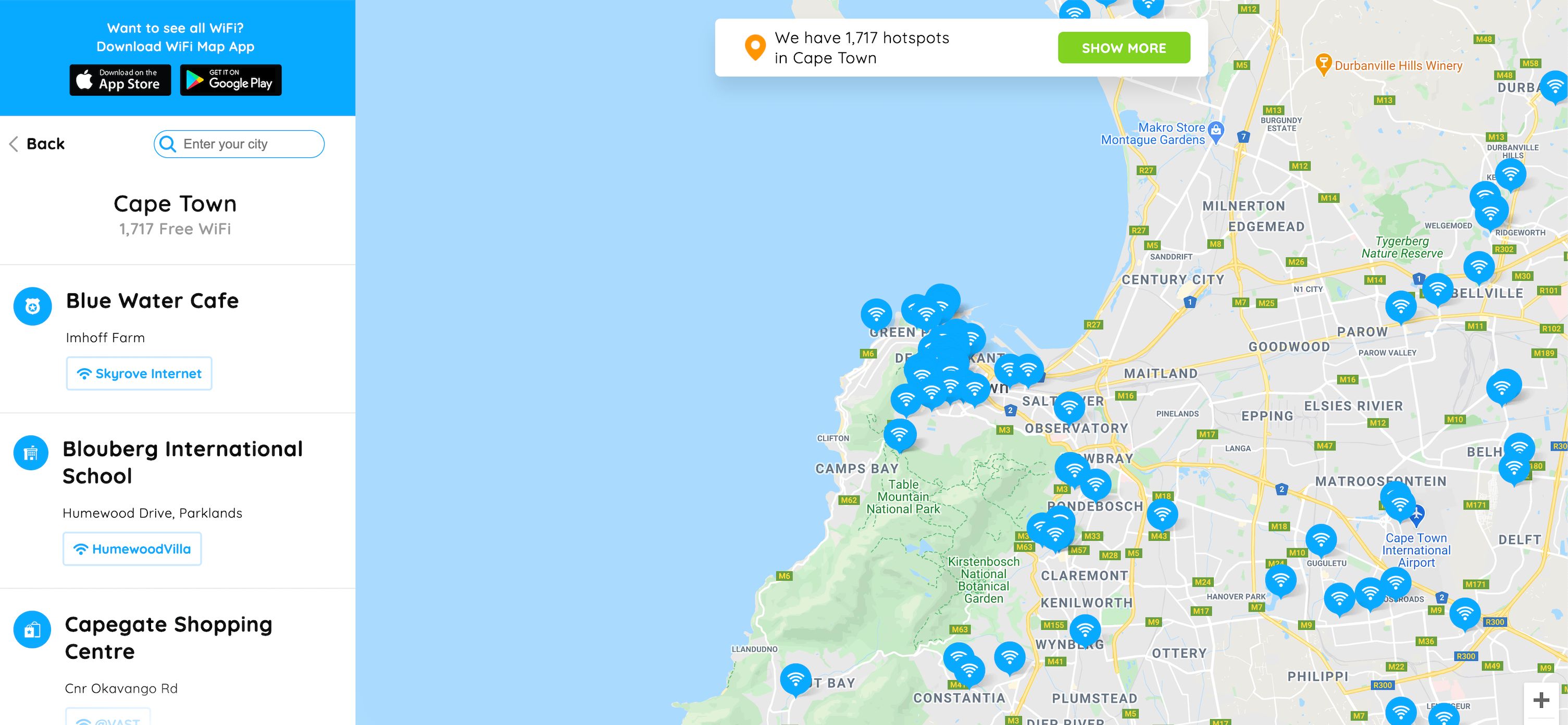
WiFi Map shows you more than just public hotspots that are available nearby, but provides great time-saving help by also offering passwords for these hotspots.
This Slack discussion by Anna Bleker, Linh, David, Dane and Austin occurred in hackernoon's official #slogging-beta channel.
The internet doesn’t have to be a corporate playground. That’s just the path we’ve chosen.
Web 3.0 opens a new future where users and distributed machines can interact with data, value, and even other counterparties via peer-to-peer networks without the need for third parties. Therefore, Web 3.0 is considered a new generation of the world wide web to increase user utility and the number of online applications in exploiting the power of the current decentralized network.
Is your Wi-Fi slowing you down? If these 8 tips for boosting internet speed don't help, maybe it's time to change your ISP. But let's see if that is the case.
The Value of Attention - why your attention is so valuable and why you're selling it too cheaply
The popularity of web 3.0 is increasing due to people’s increasing concerns about sensitive data exposure on the internet as well as the growing popularity of decentralized technologies, such as blockchain and IPFS. With this type of technology, users do not have to rely on centralized local networks and Internet providers in having access to the Internet. In other words, this allows for a failure-resistant Internet. But this also creates some issues regarding the content that is being published on such Internet. So, here I will give my view on how I see the benefits and challenges if there are any that web 3.0 may offer.
I first came across Web Monetization in the Grant for the Web x DEV.to hackathon a few months ago. Elliot and I had been itching to create something together, so we were on the lookout for hackathons that piqued our interests.
Growing up and entering adulthood post-college, I always knew that I wanted to be in a position to help the Black community succeed and break barriers.
The walled gardens situation is on everyone's lips, as it pushes ad-tech peers on both buying and selling sides to fight over the scraps remaining after the industry titans saved the best ad budget slices for themselves.
In an ideal digital world, everyone has open access to the Internet.
Two-thirds of Americans know what bots are, from a strictly negative perspective—and not without good reason. Malicious bot activity has evolved over time, from hackers using bots to infect millions of devices with malware to the more modern usage as spreaders of propaganda, fake news, and false social media accounts.
A shift to a decentralized internet may not be easy but it is happening.
It's early days for Insight Browser but our mission is ambitious — we want to rid the internet of bad ads, SEO and misinformation
In 92 percent of the cities we examined, the areas offered the worst deals were lower income.
In this thread, the slogging community shares the piece of content that has improved their day.
In this slogging thread, our community shares a few of the weirdest questions they've seen asked online.
Think of social media sites as malls and every other website as independent shops and houses in a sprawling suburb.
Thank you for checking out the 78 most read blog posts about Fix The Internet on HackerNoon.
Visit the /Learn Repo to find the most read blog posts about any technology.